
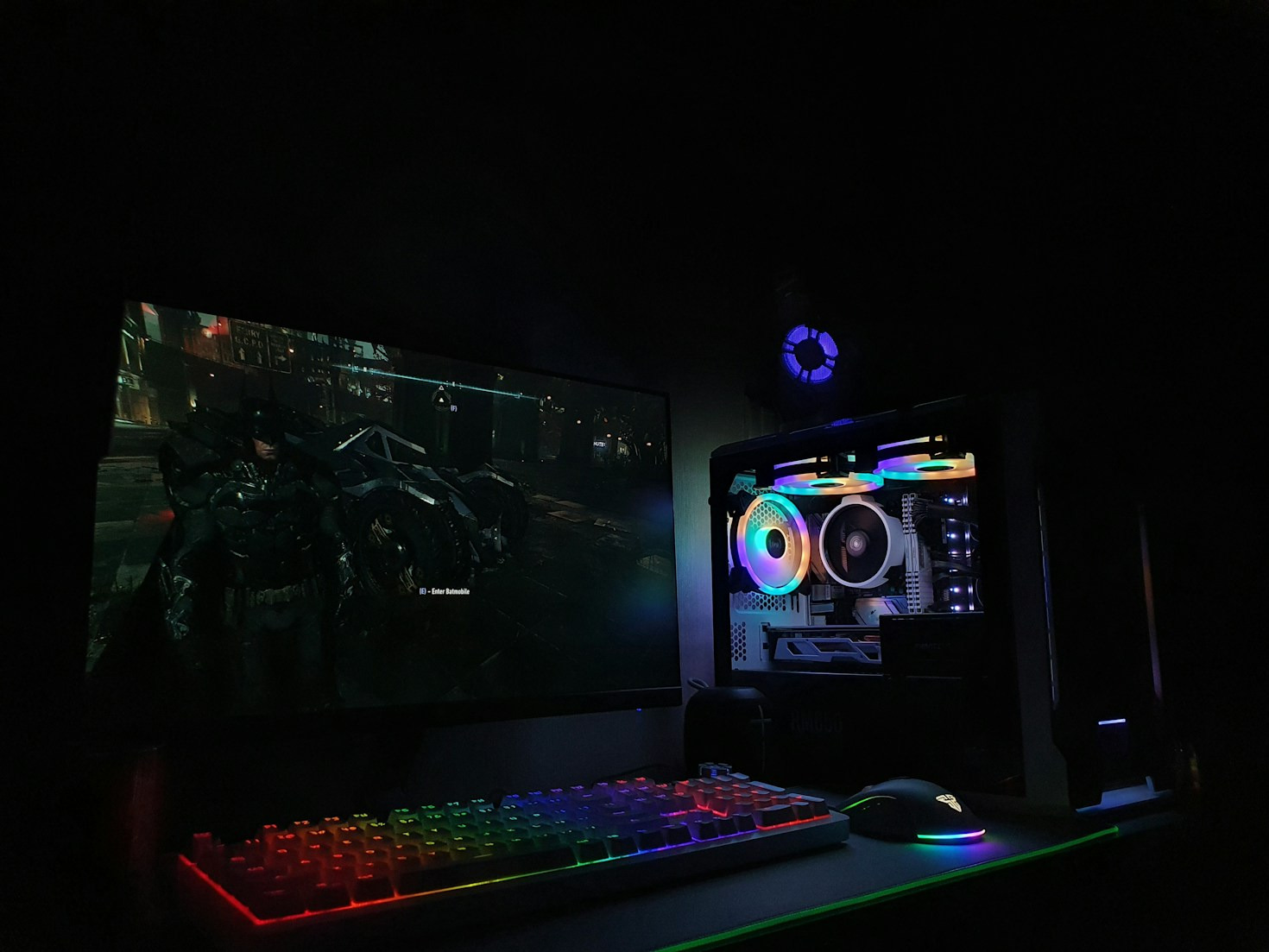
As of early January 2026, consumers and businesses building or upgrading PCs, laptops, smartphones, and other devices are facing sharply higher costs for RAM (DRAM) and storage (NAND flash-based SSDs). DDR5 memory kits that cost around $100-200 mid-2025 now often exceed $400-500 for equivalent capacities, with similar upward pressure on DDR4 and storage prices. This marks one of the most dramatic price spikes in the memory industry’s history, outpacing even previous cycles.
“You require more vespene gas.” – StarCraft
Backstory: From Oversupply to AI-Fueled Shortage
The memory market is notoriously cyclical, swinging between oversupply (leading to rock-bottom prices) and shortages (driving surges). In 2023-early 2025, an oversupply glut from post-pandemic inventory buildup caused DRAM prices to plummet, with manufacturers like Samsung, SK Hynix, and Micron deliberately cutting production to stabilize margins.
The turnaround began in mid-2025, accelerated by explosive demand for high-bandwidth memory (HBM) and server-grade DRAM in AI data centers. Major players like NVIDIA, Google, Amazon, and Microsoft ramped up AI infrastructure investments, requiring vast amounts of memory for training and running large language models. HBM—specialized DRAM for AI accelerators—saw its output presold through 2026, forcing manufacturers to reallocate advanced production nodes away from consumer-grade DDR4/DDR5 and mobile LPDDR.
This pivot created a ripple effect: limited capacity for standard DRAM led to tight supply, panic stockpiling by OEMs (e.g., Dell, Lenovo, HP warning of 15-20% PC price hikes), and speculative buying. TrendForce reports confirm PC DRAM contract prices surged significantly in late 2025 due to manufacturers prioritizing strategic AI clients. By Q4 2025, DRAM contract prices rose 171% year-over-year in some segments, with DDR5 spot prices jumping over 300% since September 2025.
NAND flash followed a similar path, though slightly lagged. Enterprise SSD demand for AI storage outpaced consumer needs, prompting suppliers to shift capacity and hike prices (33-38% QoQ expected in Q1 2026 per TrendForce). Client SSDs could see over 40% increases.
Current State and Outlook
Entering 2026, TrendForce projects conventional DRAM contract prices rising 55-60% quarter-on-quarter in Q1, with server DRAM exceeding 60%. NAND follows at 33-38%. Relief may not arrive until late 2026 or 2027, as new fabs (e.g., Micron’s) come online, but analysts like those at Phison warn shortages could persist for years if AI growth continues.
This “structural supercycle” differs from past ones—driven less by consumer cycles and more by sustained enterprise/AI demand—making prices stickier on the upside.
Conclusion
The current memory price surge underscores how transformative technologies like AI can disrupt even mature commodity markets. While painful for gamers, PC builders, and consumers facing higher device costs, it reflects massive investment in computing’s next frontier. Buyers needing upgrades should consider purchasing sooner if possible, as forecasts point to continued elevation through mid-2026. Long-term, expanded capacity should eventually balance supply, but for now, memory has become a bottleneck commodity once again.
In the spirit of resource constraints familiar to gamers, recall this iconic line from StarCraft:
“You require more vespene gas.” (Or in this case, perhaps more budget for RAM.)