The landscape of personal computing has shifted dramatically. In 2026, the focus has moved beyond simple clock speeds to intelligent automation, specialized hardware, and hybrid ecosystems. Whether you are a creative professional, a gamer, or a remote worker, these are the trending PC solutions defining the year.
“I used to think our lives were defined by the pushing of buttons and the pull of levers. It turns out they’re defined by choices.” — protagonist reflections appear across narrative games; exemplary line: Joel, The Last of Us (2013)
1. The Era of the “AI PC”
Artificial Intelligence is no longer just a cloud-based service; it’s integrated directly into your local hardware.
- Neural Processing Units (NPUs): Modern processors from Intel, AMD, and Qualcomm now feature dedicated NPUs. These allow PCs to handle AI workloads—like real-time background blur, local LLMs, and live translation—without draining the battery or slowing down the CPU.
- Copilot+ Ecosystem: Microsoft’s Copilot+ initiative has set a new standard for Windows PCs, requiring high-performance AI chips to enable features like “Recall” and advanced generative art tools.
2. Handheld Gaming and the Arm Revolution
The line between mobile and desktop gaming is blurring as performance reaches new heights on portable devices.
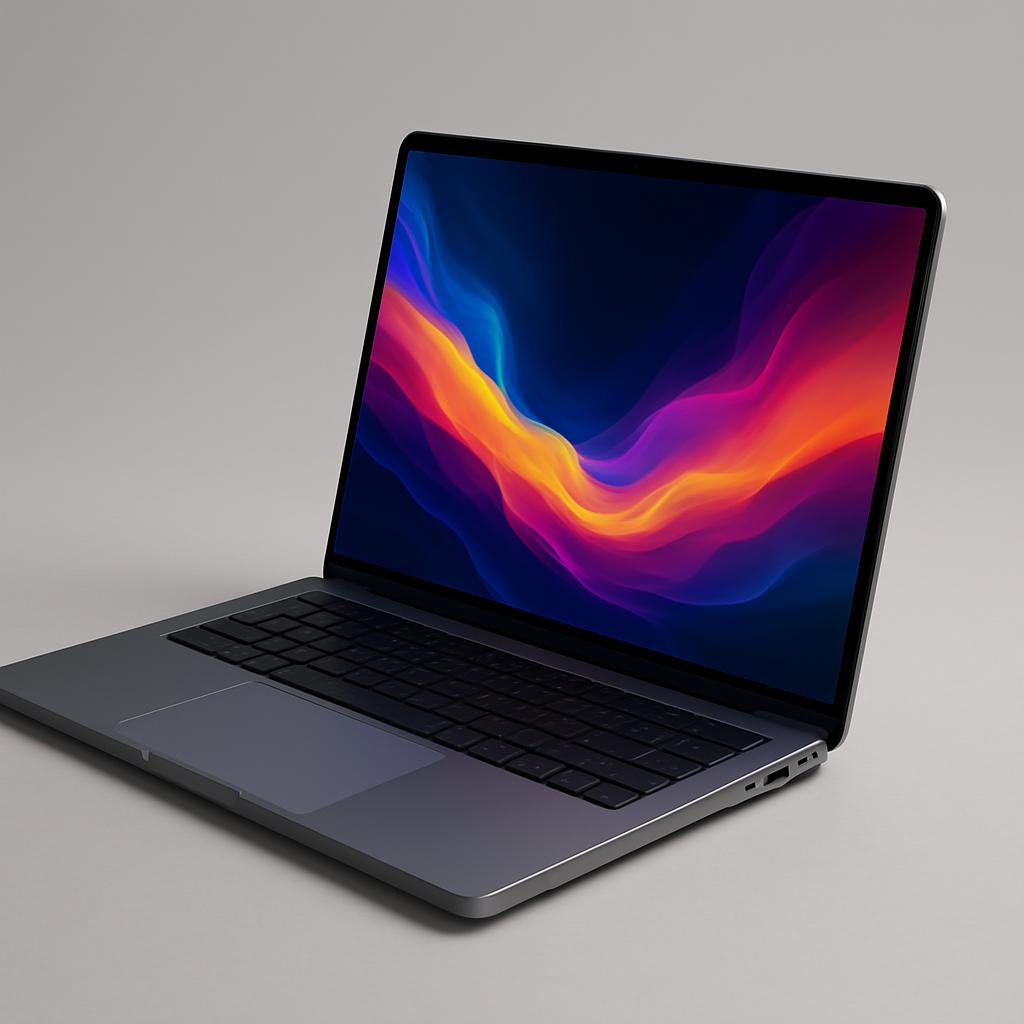
Arm-Based Windows PCs: Following the success of Apple’s silicon, Windows on Arm has finally matured. These PCs offer MacBook-like battery life (often exceeding 20 hours) while maintaining compatibility with mainstream apps through improved emulation.
Handheld PC Innovation: Devices like the ASUS ROG Ally and the newest Steam Deck iterations are leveraging high-efficiency chips to deliver AAA gaming on the go.

3. Hardware-Assisted Security
As cyber threats become more sophisticated, security is moving “below the OS.”
- Confidential Computing: Organizations are adopting confidential computing solutions that protect data while it is actively being processed in memory.
- Integrated Threat Detection: Leading manufacturers are now integrating hardware-level telemetry with security platforms like CrowdStrike, allowing PCs to detect file-less attacks and deepfakes at the chip level.
4. Spatial Computing and “Screen-less” Interfaces
The “Post-PC” era is evolving into a “Spatial Era” where your monitor might be virtual.
- AR Integration: Augmented Reality (AR) glasses are becoming a popular peripheral for power users. Instead of physical monitors, users can project multiple 4K displays into their workspace, a trend particularly useful for mobile workstations.
- Mixed Reality (XR): With a 23.5% growth rate, XR solutions are increasingly used for complex repairs and 3D design directly from a PC base.
5. High-Speed Connectivity and Edge Solutions
Modern PCs are designed to be part of a hyperconnected network.
Edge Computing Hubs: Desktop PCs are being repurposed as local “edge” hubs, processing data from home IoT sensors before it ever reaches the cloud to ensure better privacy and speed.
5G-Advanced & 6G Foundations: New PC builds are increasingly shipping with integrated 5G-Advanced modems, ensuring ultra-low latency for cloud gaming and remote desktop applications.
Summary for the 2026 User
If you are looking to upgrade this year, look for devices that prioritize NPU performance and battery efficiency. The best PC solutions in 2026 aren’t just faster; they are smarter, more secure, and more integrated into your physical environment than ever before.